
Thermal Fogging Odor Removal: The Deep-Reach Solution for Stubborn Smells
- January 3, 2026
When foul odors have penetrated deep into walls, furniture, or carpets, simple air fresheners won’t cut it. That’s where thermal fogging odor removal comes in — a powerful, professional method that uses heat to disperse deodorizing compounds as a cloud of ultra-fine particles, reaching hidden areas that traditional cleaning can’t. In this post, we’ll break down how thermal fogging works, why it’s particularly effective for stubborn odors, and how to choose a qualified service provider. By the end, you’ll understand why this method can be a game-changer for truly eliminating persistent smells — not just masking them.
What Is Thermal Fogging for Odor Removal?
Thermal fogging is the process of heating a deodorizing solution to produce a dense vapor or “fog” composed of microscopic droplets. This fog is then dispersed throughout a space using a thermal fogger — a machine specifically designed to vaporize the deodorant safely and thoroughly.
How It Works: The deodorant is converted into a vapor by heat, allowing the particles to float and adhere to surfaces — even in cracks, cavities, and crevices.
Types of Fogging:
Thermal Fogging: Uses heat; great for deep penetration and odor molecules bound in materials.
ULV (Cold) Fogging: Uses low-volume, fine mists; common for larger open spaces.
Dry Fogging: Produces very small particles, similar to smoke, enabling deep reach and minimal residue. kleenkuip.com
Benefits: Because the fogged particles are so small, they can reach places that scrubbing or spraying cannot — under baseboards, inside ductwork, or inside furniture.
Why Thermal Fogging Is Effective
Thermal fogging stands out among odor removal techniques for several key reasons:
Deep Penetration & Coverage
The heated fog can reach porous materials, wall cavities, ductwork, and other hidden spaces.
This means odor-causing molecules that are deeply embedded aren’t just masked — they’re neutralized at their source.
Long-Lasting Odor Neutralization
Unlike surface sprays, the fog allows the deodorizing agent to cling to surfaces and continue reacting with odor molecules.
Restoration professionals note that thermal fogging “neutralizes odor molecules at their source,” offering more permanent control.
Efficiency vs Other Methods
Compared to ozone treatment, thermal fogging can be faster in large areas because it ensures coverage rather than relying solely on oxygen radicals.
Compared to plain cleaning or enzyme products, it’s more effective in stubborn or smoke-damaged properties because of its reach and reactivity.
Versatility
Thermal fogging works for a variety of odors: not just smoke, but mold, mildew, pet odors, and even chemicals in some formulations.
Common Uses & Applications
Thermal fogging isn’t a one-size-fits-all; it’s most valuable in certain scenarios. Here are common applications:
Smoke Odor Removal
After a fire, or in properties with heavy cigarette or tobacco use, thermal fogging can neutralize deeply embedded smoke molecules.Vehicle Odor Restoration
In cars, trucks, RVs, or boats where smoke, mildew, or other odors have penetrated upholstery or interiors, fogging with a dry- or thermal-fog machine can reach the deep recesses.Mold / Water-Damage Odors
Following water damage, mold or mildew odors often hide in drywall, under flooring, or in voids. Fogging helps treat those hidden spaces.Pet Odors
When pet smells are persistent (urine, feces, or general “animal” smells), fogging ensures the deodorizer reaches porous materials.Post-Restoration / Turnover Cleaning
After major cleaning or restoration (fire, flood, renovation), fogging may be used as a final deodorizing step to ensure no lingering smells remain.
Safety & Equipment Considerations
Thermal fogging is powerful — but with power comes responsibility. When using or hiring a service, consider:
Equipment
Use a proper thermal fogger. The Unsmoke Electro-Gen is one example, producing dry fog with tiny particles.
Ensure the fogger and chemical are compatible: using the wrong solution in a thermal fogger can damage the machine or be unsafe.
Chemical / Deodorant Formulas
Use products formulated for thermal fogging (e.g., “Thermo-55”).
Ensure the deodorant is safe for surfaces in the space (fabrics, electronics, walls).
Safety for Occupants & Technicians
Evacuate the area during fogging; thermal fogging creates a visible mist that lingers.
Technicians should wear PPE (respirators, protective clothing) because the fog can carry inhalation risk depending on the solution.
Ventilation / Re-Entry
After fogging, adequate ventilation is critical. Let the fog settle, then ventilate before occupants return. legendbrandsrestoration.com
Check for any residue or dampness; some formulations may leave a film.
Choosing a Professional Thermal Fogging Service
If you’re a homeowner or business looking to hire a thermal fogging service, here are key criteria:
Experience & Specialization: Choose a company with restoration or odor-control experience. Ask for case studies (smoke, vehicle, mold).
Equipment & Formulation Knowledge: Ensure they use proper thermal foggers (e.g., Unsmoke) and safe, effective deodorizing agents.
Certification & Insurance: Technicians should have proper training, and the company should carry liability insurance.
Verification: Ask if they can validate odor removal (e.g., before and after inspection).
Cost Transparency: Get a quote that explains: size of space, type of fogging, chemical cost, labor, and re-ventilation time.
Health & Safety Protocols: Confirm that they follow safety protocols for fogging, including evacuation and PPE.
Conclusion
When odors are deeply embedded — whether from smoke, mold, pets, or other sources — thermal fogging odor removal offers a powerful, effective solution. Its ability to reach hidden areas and neutralize molecules at their source makes it far superior to surface sprays or temporary fixes. But because it involves specialized equipment and chemicals, it’s essential to work with a trained, professional provider who understands the risks and techniques. If you’re dealing with persistent or stubborn smells, consider a thermal fogging service — and make sure to vet the team carefully.
Contact Filthy Masters a certified odor-removal / restoration service in your area that offers thermal fogging, ask about their equipment, chemical formulations, and safety protocols, and schedule a consultation to assess if fogging is right for your situation. We service Calgary, the surrounding towns and cities and Wheatland county.
Before & After Our Clean Up
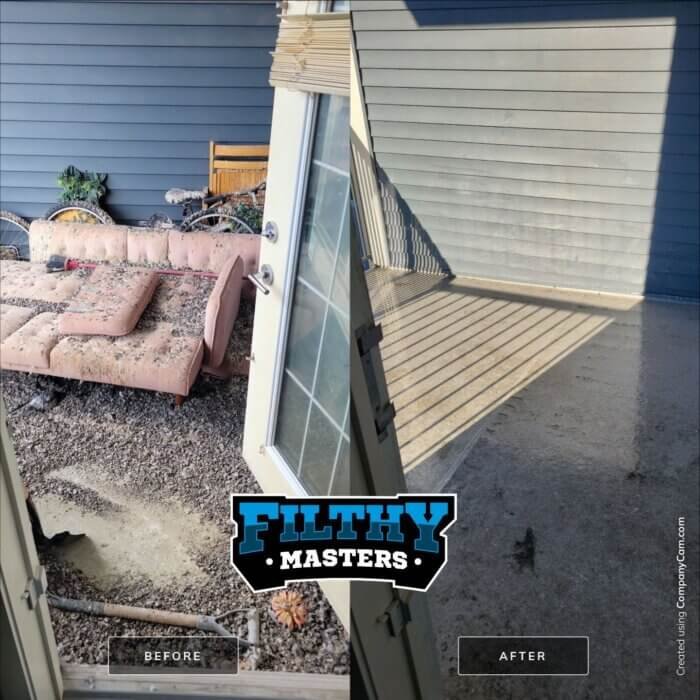
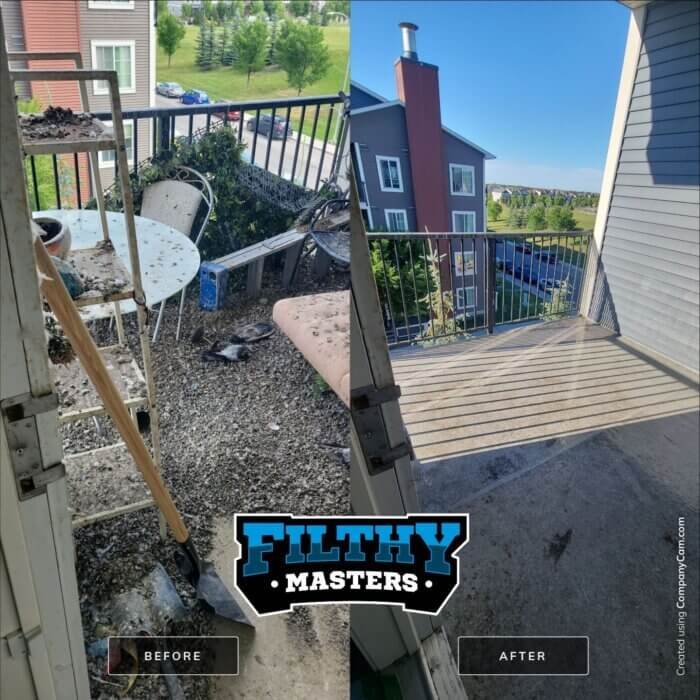
The client expressed profound satisfaction. Filthy Masters’ skill and discipline restored safety and dignity to the home. This operation reaffirmed the necessity of expert biohazard intervention—where precision, commitment, and respect for health reign supreme.
When faced with filth, contamination, and the unknown—call upon Filthy Masters.
Veteran-led. Battle-tested. Prepared for the worst so you don’t have to be.
Whether it’s bird droppings, hoarding, or hazardous decay, our team brings discipline, discretion, and decontamination to your doorstep.
Contact Filthy Masters today. Let us restore your space with precision and honor.
Feel free to Share our Filthy Masters War Journal Post using the links below.