What Is a Biohazard Cleanup Service & Why You Might Need One
- December 15, 2025
Biohazard cleanup service is not your average cleaning job — it involves the safe, professional removal of dangerous, potentially infectious materials from homes or workplaces. Whether it’s blood residue after a trauma, chemical spills, or microbial contamination like mold, a biohazard cleanup team has the training, equipment, and protocols to restore safety. In this post, we’ll explain what a biohazard cleanup service entails, when it’s needed, and how to choose a reliable provider. By the end, you’ll understand not only why biohazard cleaning is critical — but also how to make sure it’s done right.
What Does a Biohazard Cleanup Service Include?
A biohazard cleanup service covers a range of specialized cleaning tasks that go far beyond regular janitorial work. Here are some of the core services such companies typically offer:
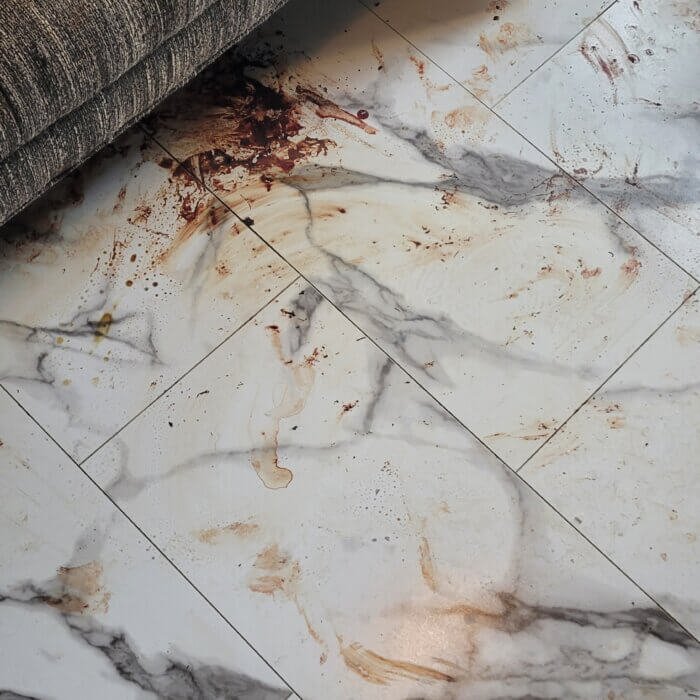
Trauma and Crime-Scene Cleaning: Professional teams handle the aftermath of violent incidents, unattended deaths, or violent crime. This involves removing and decontaminating blood, bodily fluids, and any materials that pose a biohazard risk.
Infectious Disease Cleanup: During or after disease outbreaks, biohazard cleaners sanitize surfaces, remove infectious waste, and ensure proper disinfection so the area can be safely reoccupied.
Sewage and Waste Contamination: Sewage backups bring a host of harmful pathogens; specialized cleanup is required to extract waste, disinfect, and restore hygiene.
Chemical or Hazardous Material Spills: When chemicals or toxic materials are involved, biohazard teams use protective gear, chemical neutralization, and controlled disposal.
Mold Remediation (When Biohazardous): If mold growth is severe — for example, producing mycotoxins — it can present a biohazard risk. Biohazard clean-up services may partner with remediation experts to remove mold safely.
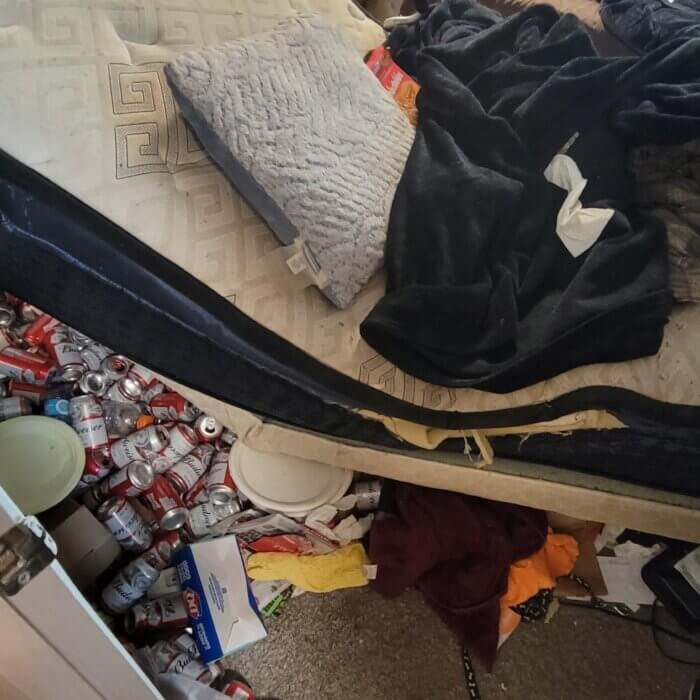
These services require highly trained staff, certified protocols, and specialized equipment (like HAZMAT suits, HEPA-filter vacuums, and bio-waste containers). Unlike standard cleaners, biohazard professionals follow strict regulatory and safety guidelines to protect both occupants and themselves.
When & Why You Need Emergency Mold or Biohazard Cleanup
When should a property owner or business consider calling in a biohazard cleanup service? Here are key scenarios — backed by data — that highlight the urgency and importance of timely intervention.
Health Risks
Exposure to bloodborne pathogens (like HIV, hepatitis) or infectious disease residues can pose serious health risks. Professionals mitigates risk through proper PPE, containment, and disinfection.
Mold, especially toxic mold, can trigger respiratory issues, allergic reactions, and even neurological symptoms. Delays in remediation may worsen these issues.
Legal / Liability Concerns
In cases of crime scenes or unattended death, there may be legal requirements around cleanup and disposal of biohazardous waste. Engaging a certified biohazard cleaning company reduces your liability.
Insurance companies often require documented, professional remediation to approve claims.
Property Damage and Cost of Delay
- Without proper disinfection, microbial growth (e.g., mold) can spread, damaging structural materials like drywall, flooring, and insulation — increasing long-term restoration costs.
- A delay in clean-up can escalate remediation costs significantly. According to restoration-industry benchmarks, emergency service calls tend to be costlier than routine clean-up, but early action prevents far larger expenses down the line.
- Emotional & Psychological Impact
For trauma or crime-scene situations, families and property owners may suffer significant emotional distress. Hiring a compassionate, experienced cleanup crew ensures respect, discretion, and psychological safety.
In short: calling in a biohazard cleanup service early isn’t just about cleanliness — it’s about safety, compliance, cost savings, and peace of mind.
How to Choose the Right Biohazard / Trauma Cleaning Company
Choosing a biohazard cleanup provider requires more scrutiny than regular cleaning services. Here’s what to look for and ask:
Certifications & Training: Make sure the company’s technicians are certified (e.g., IICRC, OSHA, or other relevant biohazard training). These certifications show they understand the risks and proper protocols.
Insurance & Licensing: Confirm they carry liability insurance and proper permits for bio-waste disposal. (Region Specific) This protects you legally and financially.
Safety Protocols: Ask about their PPE standards (masks, suits), how they contain the hazard zones, and their decontamination process.
Disposal Practices: Hazardous waste must be disposed of according to local regulations. A reputable company should explain how they transport and dispose of biohazardous materials.
Response Time & Availability: For emergency scenarios (crime scene, mold outbreak), you want a company that can respond quickly — ideally 24/7.
References & Reviews: Look for past clients, especially in similar scenarios. Trauma-cleanup reviews often speak more to trust, speed, and professionalism than to price.
Privacy & Sensitivity: In trauma or crime-scene cleanup, discretion is vital. Ask how they maintain confidentiality and handle interactions sensitively.
Common Concerns & Misconceptions About Biohazard Cleanup
People often hesitate to call professionals for biohazard cleanup because of concerns. Here are some of the most frequent ones — and how to address them.
“It’s Too Expensive”
While professional biohazard cleanup can cost more than regular cleaning, the risks of DIY are high (health hazards, improper disposal, liability). In many cases, insurance will cover certified biohazard remediation. Some people also search for Free biohazard cleanup solutions, they isn’t any company that actually provides that service, the closest we’ve ever found was a mental health counseling company that would still charge $35 per hour per person but you needed to sign up for their counseling. Filthy Masters provides 0% interest payment plans if needed, split up over 4 payments“Is It Really That Dangerous?”
Yes — there’s real risk. Bloodborne pathogens, mold spores, and chemical residues can all be harmful. Professionals use the correct protective gear and disinfectants to make the space safe again.“What About My Privacy?”
Reputable biohazard companies are trained to operate with discretion. They often have protocols for sensitive sites (crime scenes, trauma) and understand the emotional weight of such jobs.“Can’t I Just Clean It Myself?”
For non-hazardous messes, yes. But for biohazards, the risk isn’t just dirt: pathogens, toxins, and cross-contamination are real dangers. DIY cleanup can worsen the risk if done improperly.
Prevention & Best Practices After Cleanup
Once a biohazard cleanup is complete, it’s important to maintain the safety and integrity of the space. Here are some best practices:
Moisture Control
Use dehumidifiers and proper ventilation to prevent mold re-growth.
Fix leaks and address sources of moisture promptly.
Regular Inspections
Periodically inspect the cleaned areas for signs of residual contamination or moisture return.
For mold-prone areas, schedule mold inspections annually or after floods.
Safe Storage & Handling
If biohazardous materials are stored on-site (rare but possible), ensure they are in sealed, labeled containers.
Train occupants / maintenance staff on how to avoid recontamination.
Education
Educate property managers or occupants about what “biohazard-safe” practices look like (e.g., not using abrasive cleaners that disrupt sealed surfaces).
Emergency Plan
Develop an emergency response plan for future biohazard events: who to call, how to evacuate, how to isolate the area.
Prevention & Best Practices After Cleanup
A reliable biohazard cleanup service is more than a luxury — it’s a critical safety net when dealing with trauma, crime, mold, or chemical risks. These specialized professionals protect not just property, but health, legal liability, and emotional well-being. Choosing the right company, knowing when to call, and taking steps post-cleanup can significantly reduce risk and ensure the space is truly safe again.
Ready to talk to a professional? Get in touch with a certified biohazard cleanup team in your area today — they can walk you through the process, costs, and what to expect, and help you restore your space safely.
Feel free to Share our Filthy Masters War Journal Post using the links below.