Why You Might Need a Biohazard Decontamination Service (And How It Works)
- December 15, 2025
A biohazard decontamination service is a highly specialized form of cleaning designed to safely remove and neutralize dangerous biological contaminants — from blood or bodily fluids to infectious disease agents and hazardous chemicals. Unlike standard janitorial work, decontamination requires trained professionals, protective gear, and strict protocols to ensure the space becomes safe again. In this post, we’ll explore what biohazard decontamination involves, when it’s necessary, and how to pick the right team for the job. By the end, you’ll understand why calling in experts is often the only responsible choice — and how to make sure you’re getting effective, compliant service.
What Is a Biohazard Decontamination Service?
Biohazard decontamination is not just “very deep cleaning” — it’s a technical, regulated process designed to handle biological hazards that pose serious health risks. Here’s a breakdown of what these services typically include:
Scope of Biohazards:
Bodily fluids (blood, vomit, etc.) from trauma, crime scenes, or unattended death.
Infectious agents (viruses, bacteria) from disease outbreaks, lab accidents, or contaminated spaces.
Chemical hazards: spills of toxic substances or industrial contaminants that require neutralization.
Specialized Protocols:
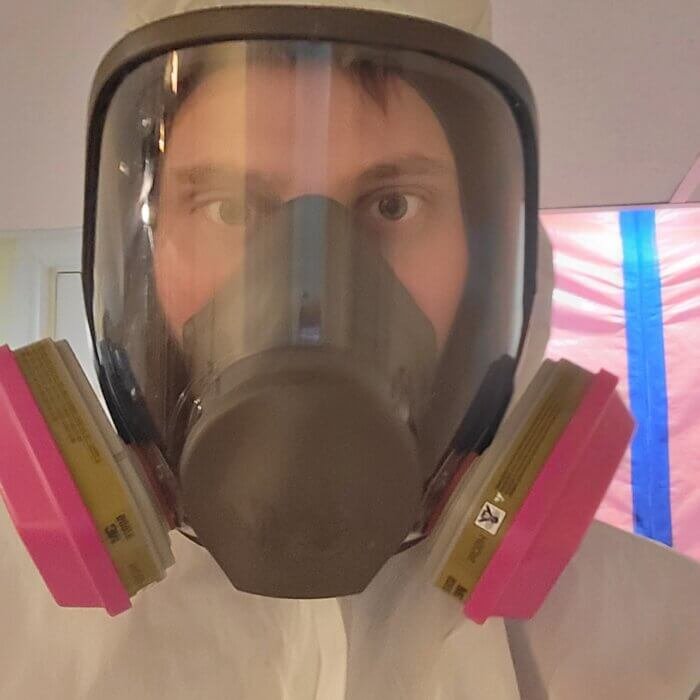
Technicians wear full personal protective equipment (PPE) — gloves, suits, respirators — to avoid exposure.
They contain and isolate affected areas to prevent cross-contamination.
Use of EPA- or health-agency-approved disinfectants, sometimes including fumigation or chemical neutralization, depending on the hazard.
Waste Handling & Disposal:
Hazardous waste is collected in specialized biohazard containers.
Disposal must follow local regulations (e.g., medical waste rules).
Certified companies will document and transport waste securely.
Verification & Clearance:
Some decontamination services conduct “clearance testing” to confirm pathogen removal.
Use of tools like swab testing, ATP meters, or other verification methods.
Because of these specialized requirements, not every cleaning company can or should call themselves a decontamination provider — this work needs expertise, certification, and responsibility.
When You Need Infectious Disease or Chemical Decontamination
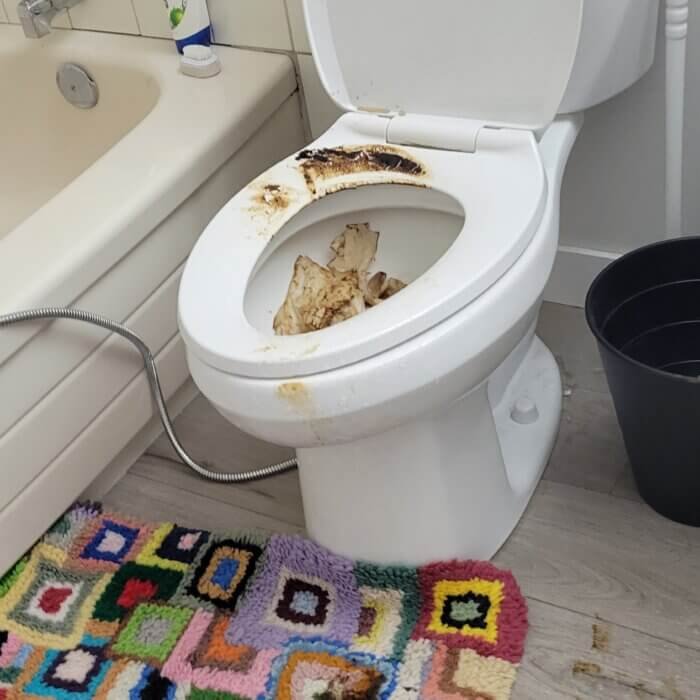
There are certain scenarios where a biohazard decontamination service is not just helpful — it’s essential. Understanding when to call professionals could protect health, reduce liability, and save costs later.
Trauma or Crime Scenes:
Situations like violent crime, unattended death, or accidental injury involve blood and bodily fluids that can carry bloodborne pathogens. Professional decontamination ensures safe removal and proper disposal.Infectious Disease Events:
During or after disease outbreaks (e.g., COVID-19, norovirus), spaces may need deep decontamination to prevent spread. The infection prevention & control (IPC) segment of decontamination is growing rapidly. Grand View Research+1Chemical Spills:
Industrial or residential chemical exposures (e.g., solvents, oxidizing agents) require specialized decontamination to neutralize and remove the hazard safely.Home Contamination Post-Illness:
After a serious illness, especially one involving infectious agents, homeowners may seek residential decontamination service to sanitize surfaces and restore safety. The global home decontamination market is projected to grow significantly. GlobeNewswire+2Grand View Research+2Regulatory or Compliance Needs:
Some commercial or healthcare settings must meet strict decontamination standards under health or safety regulations. Hiring certified decontamination providers helps ensure compliance.
Health & Market Risk Data:
The global home decontamination services market is expected to reach USD 8.56 billion by 2030, growing at a CAGR of 9.5%. Grand View Research
Biohazard cleaning remains one of the largest revenue segments in decontamination. Grand View Research+1
These data points underscore not just risk, but real demand — making decontamination a critical service in both residential and commercial contexts.
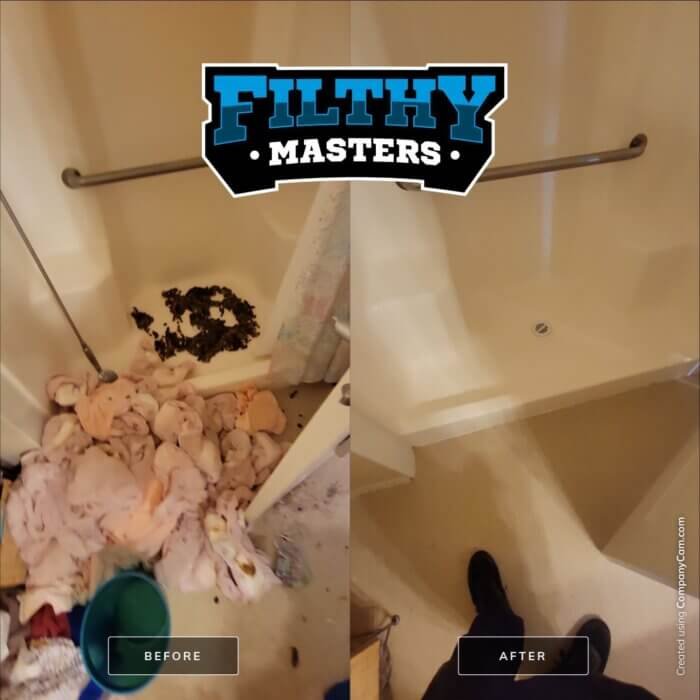
How Emergency Decontamination Works
When “emergency decontamination cleaning” is needed, time, safety, and professionalism matter. Here’s what typically happens:
Rapid Response
Certified decontamination companies often offer 24/7 emergency service.
They arrive with full PPE, containment materials, and disinfection equipment.
Assessment & Containment
Technicians assess the hazard: is it biological, chemical, or mixed?
They set up containment zones using plastic sheeting, negative air machines, or other barriers to isolate the area.
Decontamination Protocols
Depending on the hazard, they’ll use appropriate disinfectants (EPA-registered) or neutralizing agents.
For chemical hazards, they may apply specific decontamination chemistry (oxidants, biocides, etc.). ic.gc.ca
For biological hazards, they may use fogging, spray, or wipe-down methods.
Waste Management
Biohazardous or contaminated materials are placed in labeled, regulated waste containers.
The provider ensures proper disposal under hazardous-waste guidelines.
Verification & Clearance
After cleaning, technicians may perform testing (swab, ATP) to confirm that decontamination was effective.
A “clearance certificate” may be issued to document that the area is safe again.
Reporting & Documentation
Professional decontamination companies provide documentation of work performed, chemicals used, PPE worn, and how waste was handled.
This is especially important for liability, insurance, or regulatory compliance.
Common Concerns & Misconceptions
It’s Too Expensive.”
Yes, professional decontamination costs more than standard cleaning — but DIY isn’t safe or legal for many biohazard or chemical scenarios. The risk of improper disposal, exposure, or non-compliance is real. Filthy Masters also offers 0% interest inhouse Payment plans.“Can’t I Just Disinfect Myself?”
Not always. Some pathogens or chemicals require specialized disinfectants or neutralization. Also, some biohazard waste must be treated as regulated waste — it’s not just about wiping down surfaces.“Is My Privacy Respected?”
Reputable decontamination companies understand the sensitivity of trauma, crime scene, or medical contamination work. They operate discreetly, with confidentiality and professionalism.“Will This Work Forever?”
Decontamination makes the space safe at that moment, but it doesn’t prevent future contamination. After decontamination, you need to maintain safe practices and possibly schedule re-checks, especially for high-risk settings.
Maintaining Safety After Decontamination
Once decontamination is done, keeping the space safe isn’t automatic — it’s a process.
Regular Cleaning + Disinfection
Use EPA- or health-agency-approved disinfectants for routine maintenance.
Follow best practices for environmental cleaning to prevent recontamination. Public Health Ontario+1
Monitor For Recurrence
If the decontamination addressed biological hazards, monitor for signs of new contamination (e.g., moisture, pest, re-spill).
For chemical decontamination, ensure that any source of the hazard is eliminated or contained.
Education & Training
Train staff or occupants on proper hygiene, spill response, and cleaning.
Provide protocols or a “contamination response plan” for future incidents.
Preventive Measures
Use moisture control in buildings to reduce risk of mold/biological growth.
Use safe storage and handling for chemicals to avoid accidental contamination.
Regular Inspections
Consider periodic “clearance testing” for high-risk areas.
For healthcare or regulated environments, integrate decontamination into compliance schedules.
Conclusion
A biohazard decontamination service is critical when facing biological or chemical contamination that standard cleaning can’t handle. Whether from trauma, infectious disease, or chemical spill, professionals bring the training, equipment, and protocols to ensure safety, legality, and peace of mind. While the cost may be higher than regular cleaning, the benefits — health protection, regulatory compliance, and documented clearance — make it well worth considering. If you suspect a hazardous contamination, don’t wait: reach out to a certified decontamination provider to assess and safely remediate the situation.
Contact a certified decontamination service in your area like Filthy Masters for a consultation, risk assessment, or emergency response — and make sure they document the process to protect your health and peace of mind.
Feel free to Share our Filthy Masters War Journal Post using the links below.